The plan
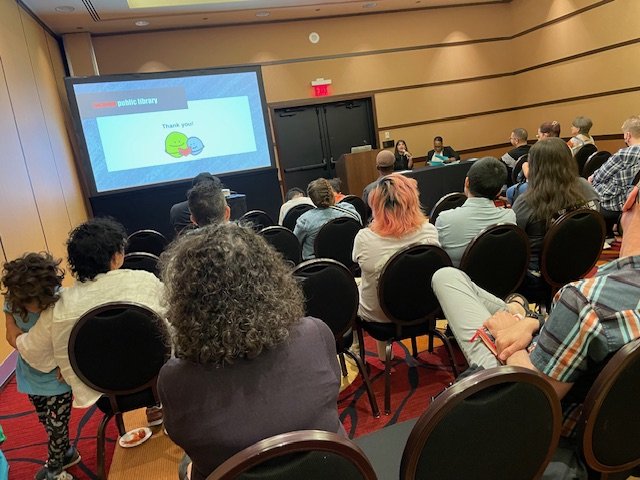
How a meeting crew works
-
1
Pick a meeting and a crew
Choose one meeting and invite two or three people. At least one should be a first-timer.
-
2
Skim the agenda together
Look for one item that matters to you. Not sure what something means? Ask the group, or ask us.
-
3
Sit together
Arrive a few minutes early. Notice who speaks, who decides, and who isn’t in the room.
-
4
Debrief over food
What surprised you? What would you want to say next time? That’s how comments are born.
Public comment
Two minutes can change a vote
You don’t need to be an expert. You need to be you, for about two minutes. We’ll help you write it, practice it and cheer you on. Start with the public comment template.
Say who you are
Your name and where you live. You’re a neighbor, and that’s why it counts.
Tell one story
Something you’ve seen or lived. Your experience is your expertise.
Make one ask
What do you want them to do? Vote yes, vote no, fund it, study it, listen to someone.
Say thank you
Officials are neighbors too. Kindness gets heard.
Good to know
Each body has its own sign-up rules and time limits, often two or three minutes. Many accept written comments too. Check the agenda or the clerk’s page before you go.
Before you speak
Do your homework
The best comments make an official’s job easier. Give them what they need to make the case for you.
Know who you’re talking to
Which district do they represent? What committees are they on? What have they said or voted on before? Speak to what they already care about.
Bring facts they can use
Officials need ammunition for their own arguments. A local number, a budget line or a clear example gives them something to repeat in the room where it’s decided.
Know where to look
Agendas and staff reports, city and county budgets, data.census.gov, school district reports and local news. Ask us if you get stuck.
Put a face on it
Pair one fact with one person. “Rents went up” lands harder next to “my neighbor of 20 years just moved out.”
Learn the system
Understand it, then open it up
Showing up is a start. Understanding how decisions really get made, and who makes them, is how neighbors start to shape them.
Humanize the process
Behind every agenda item are people: staff, officials, neighbors. Treat it as a conversation among people, not a battle with a building.
Bring community in
Democracy works when more of us are in the room. Bring neighbors, especially the ones most affected and least often heard.
Find out how it works
Who decides? What’s the timeline? Where can the public weigh in, and when is it too late? Learn the path before you push on it.
Know the history and constraints
How did we get here? How does it get funded: levies, grants, state dollars, the general fund? What rules does everyone have to work within?
Notice who has an outsized voice
Who gets a meeting easily? Who funds campaigns? Who’s always at the mic, and who never is? Name it, then help balance it.
Push back when it’s too top-down
If decisions arrive already made, ask for engagement earlier: listening sessions, plain-language materials, meetings people can actually attend.
Help solve the problem
Bring ideas, partners and resources, not only objections. Ask “how might we?” and offer to help make it work.
Beyond the mic
Get to know your officials
Public comment works best when it isn’t the first time they’ve met you.
Show up consistently
One comment is a moment. Showing up month after month is a relationship. Officials notice familiar faces.
Say hello
Introduce yourself before or after the meeting. Use your name and your neighborhood. It’s that simple.
Go where they go
Town halls, coffee hours, festivals, ribbon cuttings, community dinners. Meet them outside the council chamber.
Invite them in
Ask officials to the events that matter to them and to you: a Lobby night, a school event, a neighborhood cleanup. Let them see the community up close.
Ask why they serve
Everyone got into this for a reason. Ask what drew them in and what they hope to get done. You’ll find common ground faster.
Get to know them as people
Their families, their day jobs, what they love about this place. Relationships make hard conversations possible.
Remember who you’re talking to
Help them help you
Officials are juggling a lot. The more you understand their world, the more useful you can be.
Most local officials are neighbors with day jobs.
Many local roles are part-time with modest pay, and seats on boards and commissions are often volunteer. A lot of officials read their packets late at night after work, between family and everything else.
Lead with patience. Assume good intent, and ask before you assume.
They need to hear from you
Officials can’t represent people they never hear from. Your email, call or comment is how they learn what matters in your neighborhood.
Be a source, not just a voice
Send a short summary after you speak. Share a link, a number or a one-pager they can pass along to staff and colleagues.
Bring other voices in
Connect them with people who are affected but rarely in the room. Offer to set up a conversation or a visit.
Close the loop
When they act, say thank you, in public when you can. When they don’t, stay in the relationship and keep talking.
Checklists
Before and after you speak
Before
- Skim the agenda and pick one item
- Check the sign-up rules and time limit
- Write your comment and time it out loud
- Bring one fact and one story
- Invite a friend to come with you
After
- Send a written copy of your comment
- Thank the official by name
- Debrief with your crew over food
- Note what happens next on the item
- Put the next meeting on your calendar
Find your meeting buddy.
Tell us which meeting you’re eyeing and we’ll match you with a Lobby friend.