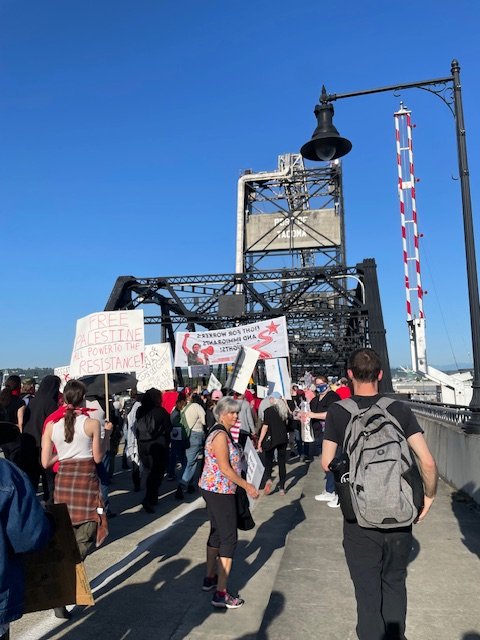
Tacoma-area · Citizens united in participatory democracy
Democracy requires a village. Come on in.
Connection, tools and support for anyone who’s felt the system wasn’t built for them. Find where your voice counts, then build on it together, in community and coalition. No expertise needed. Bring a friend.
“There are those who see the need and respond. I consider those people my heroes.”
Act now · 5 minutes each · every hub
Start where the headlines are.
Congress is picking its leaders right now. Find your members and ask where they stand, before the vote. Think of it as a warm-up: five minutes to get comfortable using your voice, so you’re ready to take it somewhere it can carry further.
From the headlines to your hometown
The headlines are national. A lot of the decisions are local.
The issues keeping you up at night don’t only live in Washington, D.C. Many of them get decided a few miles from your front door.
If you care about
Housing and rent
→ It’s often decided by
Your city council
Zoning and permits decide what gets built, and where.
If you care about
Schools
→ It’s often decided by
Your school board
Budgets, boundaries and what kids learn are voted on in public.
If you care about
Policing and safety
→ It’s often decided by
Your city and county councils
Public safety budgets are set locally, line by line.
If you care about
Democracy itself
→ It’s often decided by
Your county
Counties run elections, from ballots to drop boxes.
In Congress, you’re one of about 760,000 constituents.
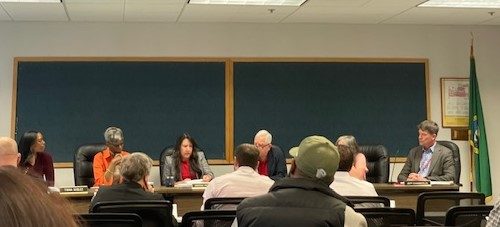
At a local meeting, you might be one of a handful of people in the room.
Go local · Tacoma-area · better together
You can’t do this alone. Good news: you don’t have to.
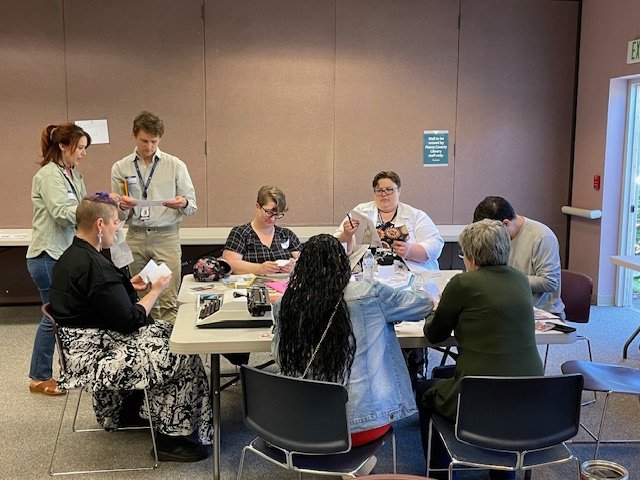
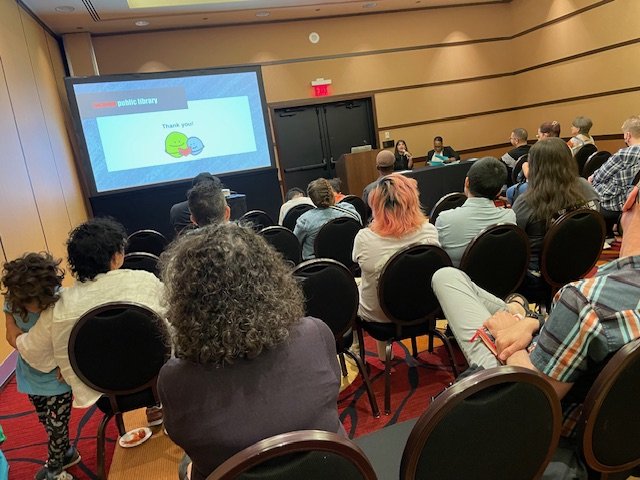
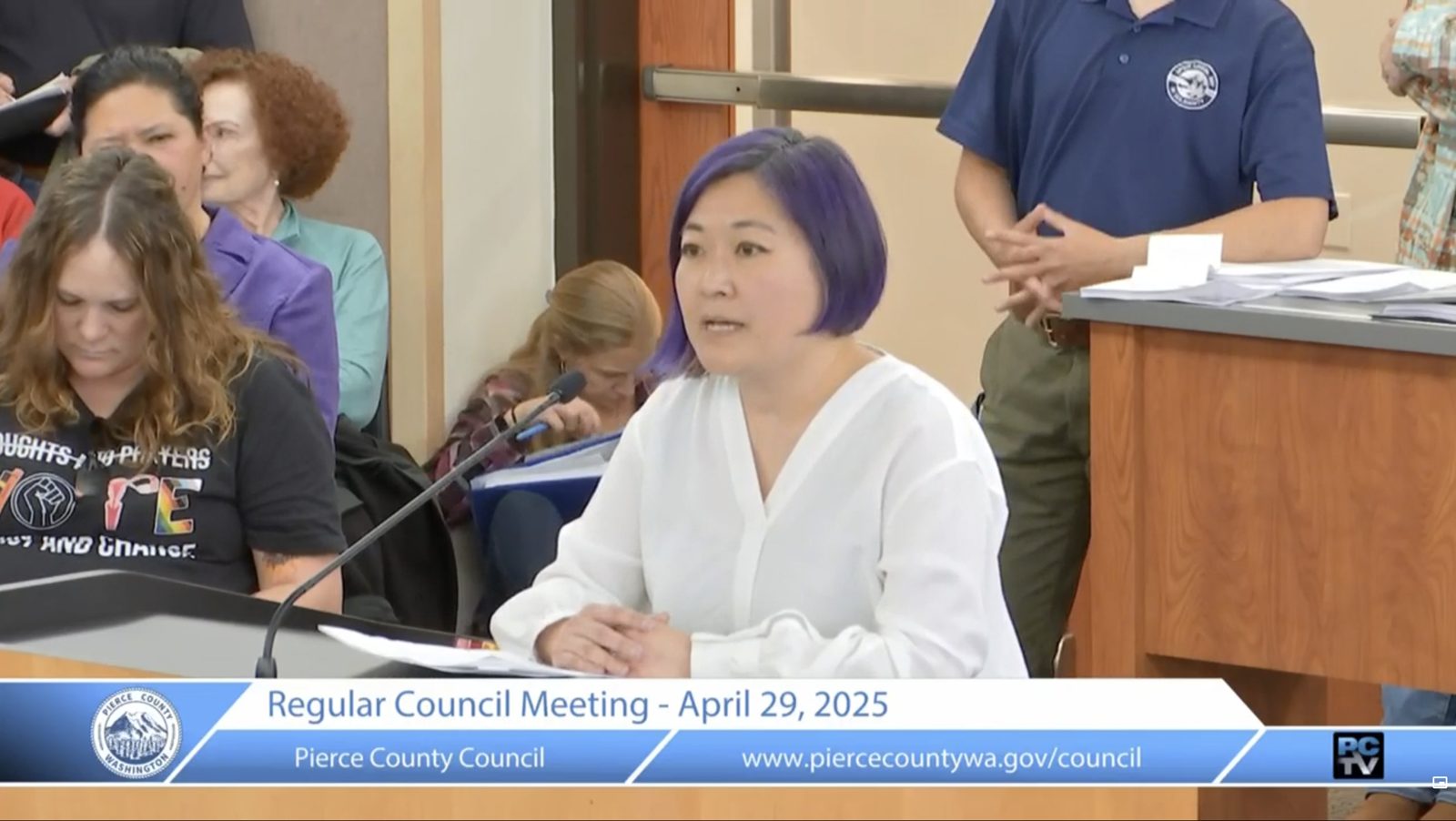
Every big change starts with neighbors who know each other. Pick a way in. Each one is better with friends, and everyone has something to give.
Small dares for this week
- Learn the name of a neighbor you don’t know yet
- Host a council meeting watch party, with snacks
- Bring a young person to a public meeting
- Save a seat for someone who’s never been
- Thank a public servant by name
- Ask “how might we?” before saying no
Got a dare of your own, or something happening in your town? Tell us.
What we believe · how every hub works
House rules
Democracy is at risk, power is too concentrated, and division is a strategy. Our answer is each other.
Curiosity & joy first
Ask questions. Listen to understand.
No expertise required
Everyone starts somewhere. Everyone has something to teach.
Say it plainly
Policy shouldn’t need a decoder ring.
Local first
It’s where we have the most power, and where national change starts.
Make room
Use your privilege to open the door for other voices.
Conflict, then repair
Disagreement is normal. Be direct, kind, and safe.
Start a Lobby
No Lobby near you? Start one.
The Public Lobby is a model any town can copy. Get your own local hub with the national actions built in, then add what matters where you live.
See how to start a Lobby →Hubs so far
-
1
Claim your hub
Your own page and web address, with the national actions already on it.
-
2
Gather your first circle
Five neighbors and a kitchen table is enough to start. Use the House rules.
-
3
Add your local actions
Your council, your school board, your commissions. Start from our templates.
Our roots
Humanize each other. Build bridges.
Three stories shape how we work. Each one shows that relationships between ordinary neighbors are what hold a democracy together.
Public television · 1968–2001
Mister Rogers’ Neighborhood
For more than 30 years, Fred Rogers taught children that every person has worth and that being a good neighbor is a choice you make every day. He talked about “the helpers”: people who show up when things go wrong.
For us: Be the helpers. Show up for each other, especially when it’s hard.
Book · Tom Coffman, 2021
Inclusion: How Hawaiʻi Protected Japanese Americans from Mass Internment
During World War II, the U.S. forced about 120,000 people of Japanese ancestry on the West Coast into camps. In Hawaiʻi, where far more Japanese Americans lived, that didn’t happen. Coffman shows why: before the war, a multiracial Council for Interracial Unity built trust across communities, then used it to push back on mass removal.
For us: Relationships built before a crisis are what protect people during one. Build them now.
Book · Robert D. Putnam, 2000
Bowling Alone
Putnam tracked how Americans stopped joining things: clubs, leagues, unions, civic groups. More people bowled than ever, but fewer bowled in leagues. He also showed what well-connected communities get in return: better schools, safer neighborhoods and more responsive government, because people get involved through their relationships with each other.
For us: Gathering is civic work. Every Lobby night rebuilds what we’ve lost.
Our sister site, Hello Neighbor, is built on the same idea.